share: 


An employee satisfaction survey measures how employees feel about their jobs, workplace, managers, and overall work experience. Employee satisfaction survey questions can measure satisfaction levels, identify workplace issues, and show where employees want change. Most effective surveys combine rating-scale questions with open-ended feedback.
Key Takeaways
- Employee satisfaction surveys measure how employees feel about different aspects of their work experience.
- Employee satisfaction survey questions can cover management, workload, communication, growth, and workplace culture.
- Rating-scale questions make satisfaction easier to measure and compare over time.
- Open-ended questions help explain the reasons behind employee satisfaction scores.
- Employee satisfaction survey examples can help HR teams structure questions for different workplace areas.
- Employee pulse surveys provide shorter, more frequent checks between broader satisfaction surveys.
- Survey tools can help HR teams collect, analyze, and act on employee feedback.
What Is an Employee Satisfaction Survey?
An employee satisfaction survey refers to a structured questionnaire that asks employees about their satisfaction with different parts of their work experience. It can measure areas such as job responsibilities, management, communication, workplace culture, recognition, compensation, and career development.
Most employee satisfaction surveys combine quantitative and qualitative questions. A rating question can show how satisfied employees are, while an open-ended question can explain the reason behind the rating.
For example:
How satisfied are you with your current workload?
1 — Very dissatisfied
2 — Dissatisfied
3 — Neutral
4 — Satisfied
5 — Very satisfied
This can be followed by:
What would improve your current workload?
The first question produces structured feedback. The second gives employees space to explain their experience.
What Should an Employee Satisfaction Survey Measure?
An employee satisfaction survey should measure the workplace factors that directly affect how employees experience their jobs. The exact areas will depend on the organization, but most employee satisfaction surveys cover several core categories.
| Area | What to Measure |
| Job satisfaction | Satisfaction with role and responsibilities |
| Management | Support, communication, and leadership |
| Workload | Work pressure, resources, and expectations |
| Growth | Learning, development, and career opportunities |
| Recognition | Feedback, appreciation, and rewards |
| Workplace culture | Trust, inclusion, collaboration, and respect |
| Communication | Access to information and clarity from leadership |
| Compensation | Satisfaction with pay and benefits |
| Work-life balance | Flexibility, working hours, and personal time |
The goal is not to ask about every possible workplace issue. Too many questions can reduce completion rates and make the results harder to interpret. Instead, choose areas that align with the decisions HR teams need to make.
Employee Satisfaction Survey Questions to Ask
Good employee satisfaction survey questions produce useful feedback and are simple enough to answer quickly. Use a consistent rating scale when you want to compare results across teams or survey periods.
Common employee satisfaction survey questions include:
- How satisfied are you with your current position?
- How well does your manager support you in your role?
- How effective is communication within your team?
- Do you have the tools and resources needed to do your work well?
- How satisfied are you with your career development opportunities?
- How valued and recognized do you feel for your work?
- How manageable is your current workload?
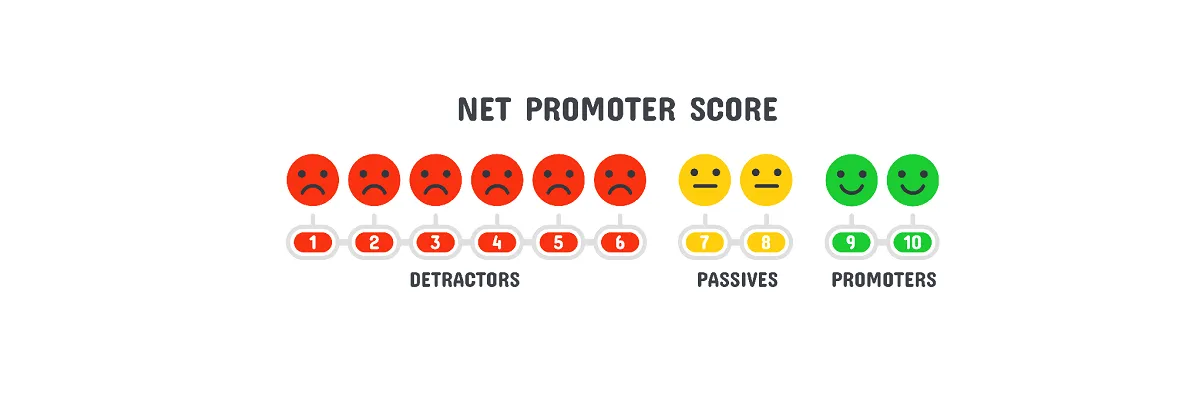
- How likely are you to recommend this organization as a good place to work?
- What is one change that would improve your work experience?
- What is one thing the organization should continue doing?
A strong employee satisfaction survey usually combines scaled questions with a small number of open-ended questions. This gives HR teams measurable results without losing the context behind employee responses.
SurveyVista’s customer feedback questionnaire guide can also help teams structure different question types and response formats.
Employee Satisfaction Survey Examples
Employee satisfaction survey examples vary based on what HR wants to understand. A new employee survey may focus on onboarding, while an annual survey may cover broader workplace satisfaction.
Example 1: Overall Job Satisfaction
How satisfied are you with your current role?
- Very dissatisfied
- Dissatisfied
- Neutral
- Satisfied
- Very satisfied
What would make your role more satisfying?
Example 2: Manager Satisfaction
How supported do you feel by your direct manager?
- Not at all supported
- Slightly supported
- Moderately supported
- Very supported
- Extremely supported
What could your manager do differently to support you?
Example 3: Workplace Experience
How satisfied are you with your organization’s work environment?
- Very dissatisfied
- Dissatisfied
- Neutral
- Satisfied
- Very satisfied
What is one change that would improve your day-to-day work experience?
These employee satisfaction survey examples show how quantitative and qualitative questions can work together. The rating provides a measurable result, while the follow-up question helps explain it.
How to Measure Employee Satisfaction
HR teams can measure employee satisfaction by combining survey scores, response trends, employee segments, and written feedback. The method should make it possible to compare results over time and identify areas that need attention.
A simple way is to calculate the average score for each question or category.
For example, if 100 employees rate management on a scale from 1 to 5, HR can calculate the average rating and compare it with previous survey results.
HR teams can also segment results by:
- Department
- Location
- Job level
- Tenure
- Manager
- Employment type
Segmentation can reveal differences that an overall score hides. An organization might have a satisfaction score of 4.1 overall while one department reports an average of 3.2. Open-ended responses add another layer to employee satisfaction measurement. If a team’s score falls, comments can help identify whether the issue relates to workload, management, communication, compensation, or another factor. This makes employee satisfaction surveys more useful than relying on a single overall score.
Employee Satisfaction Survey vs Employee Pulse Survey
An employee satisfaction survey and an employee pulse survey both collect employee feedback, but they serve different purposes.
| Factor | Employee Satisfaction Survey | Employee Pulse Survey |
| Purpose | Broad assessment of employee satisfaction | Quick check on a specific issue or trend |
| Length | Usually longer | Usually shorter |
| Frequency | Periodic | More frequent |
| Questions | Covers multiple workplace areas | Focuses on a few topics |
| Use case | Overall employee experience | Track changes between larger surveys |
An employee pulse survey may contain only three to five questions about workload, morale, communication, or a recent workplace change. For example, HR could send an employee pulse survey two weeks after introducing a new hybrid work policy:
- How satisfied are you with the new hybrid work policy?
- What is working well?
- What should we change?
A pulse survey does not replace a broader employee satisfaction survey. It provides a faster way to check how employees are responding to specific changes between larger surveys.
How to Act on Employee Feedback Survey Results
Collecting employee feedback is only useful if the organization acts on what employees report. HR teams should identify the most important patterns, prioritize issues, and communicate what will happen next.
A practical process is:
- Review the survey results.
- Find the areas with the lowest scores.
- Compare results across teams and employee groups.
- Read the written responses and find common concerns.
- Decide which issues need attention first.
- Assign someone to handle each issue and set a deadline.
- Tell employees what changes will be made.
- Run a follow-up survey to see if the changes helped.
For example, an employee satisfaction survey may show that employees rate career development at 2.8 out of 5. Written feedback may reveal that employees want clearer promotion criteria and more training opportunities.
The useful outcome is not simply knowing that the score is low. HR can use the feedback to define a specific action, communicate the change, and measure whether satisfaction improves later.
Why CRM-Native Survey Tools Work Better for Employee Feedback
Employee feedback is easier to understand when survey responses sit alongside employee records. A satisfaction score means more when HR can see the employee’s team or manager. An open-ended response also provides more context when it is linked to the relevant employee record.
Native Salesforce survey tools keep survey responses connected to Salesforce records. Rating scores can be stored as fields that reports and dashboards can filter. Written responses can be analyzed for sentiment and common topics.
An external survey tool holding employee feedback in a separate database can break that connection. A native platform like SurveyVista keeps survey responses connected to Salesforce from collection through analysis.
Explore SurveyVista’s survey analysis software →
Frequently Asked Questions
How often should an employee satisfaction survey be conducted?
There is no single frequency that works for every organization. Many teams use a broader employee satisfaction survey periodically and shorter employee pulse surveys between larger surveys to track specific changes.
Should employee satisfaction surveys be anonymous?
Anonymity can encourage employees to share sensitive feedback more openly. This happens when questions involve management, workplace culture, or compensation. The right approach is based on the organization’s size, survey purpose, and privacy practices.
How long should an employee satisfaction survey be?
Keep the survey long enough to cover the areas HR needs to measure but short enough to maintain completion rates. A focused set of employee satisfaction survey questions is usually more useful than a long questionnaire covering every workplace topic.
What is a good response rate for an employee satisfaction survey?
There is no universal response-rate target because participation varies by organization, survey method, and workforce. More important than a single benchmark is whether participation is sufficient to provide a useful view across relevant employee groups.
What is the difference between employee satisfaction and employee engagement?
Employee satisfaction centers on how employees feel about aspects of their work and workplace. Employee engagement is broader and looks at factors such as involvement, motivation, commitment, and willingness to contribute.