
share: 


GetFeedback Direct sunsets on December 31, 2026. Delighted shuts down on June 30, 2026. Thousands of organizations that built their voice-of-customer programs on these platforms are evaluating what comes next, and the migration conversation is rightfully loud.
The security question embedded inside that decision is not getting the same attention — and the two are inseparable. I wrote about this in a recent piece for Salesforce Ben, and the argument matters especially for Salesforce teams choosing a customer feedback platform right now.
In 2025, third-party integrations became the year’s defining attack surface
The Salesloft Drift breach in August 2025 exposed more than 760 Salesforce instances in ten days through compromised OAuth tokens. Three months later, the Gainsight breach compromised more than 200 companies through the same class of vulnerability. In both cases, attackers did not breach Salesforce. They exploited the connections that sat beside it.
Cloudflare, Palo Alto Networks, Google, and Proofpoint all had customer data exposed, not because their Salesforce orgs were weak, but because the tools connecting to those orgs processed and stored data outside the platform’s trust boundary. When those integrations were compromised, the data went with them.
According to IBM’s 2025 Cost of a Data Breach Report, supply chain compromises of this type cost organizations an average of $4.91 million and take 267 days on average to detect and contain. In the United States, average breach costs reached a record $10.22 million, with lost business averaging $1.38 million per incident. More than 70 lawsuits have since been filed against affected companies, including TransUnion ,Allianz, and Farmers Insurance. In January 2026, a federal judge consolidated 13 class actions in Northern California. The Louis Vuitton lawsuit alleges the breach was “highly preventable” — Salesforce had published specific security guidance months before the incident, and it went unheeded.
The January 2026 Grubhub breach followed the same pattern: credentials from the Salesloft Drift compromise were used to pivot into Grubhub’s Zendesk system, cascading across multiple platforms from a single compromised integration.
Two sunset deadlines are pushing Salesforce teams toward the same architectural mistake
Shonnah Hughes spent years as the Global Product Growth and Innovation Evangelist at GetFeedback and watched firsthand why native architecture mattered to customers. In a recent Salesforce Ben piece on the GetFeedback and Delighted sunsets, she noted that competitive wins in that market came “not just on features, but on architecture.” GetFeedback was built on the premise that customer feedback data should live where customer data lives — natively inside the Salesforce org. That is exactly what the recommended migration paths do not preserve.
The default paths from SurveyMonkey and Qualtrics lead to enterprise platforms that are not built natively on Salesforce. Teams following that guidance would be moving their NPS, CSAT, and VoC data into yet another external system, maintaining yet another integration, creating yet another point of exposure. The hidden costs of that choice compound quickly: implementation overhead, ongoing connector maintenance, compliance complexity, and the same security exposure that defined 2025.
When a customer submits a survey response or fills out a form through an integrated app, that data may touch an external server before it ever reaches the Salesforce org. That means separate access controls, separate compliance audit trails, and the same architectural vulnerability that defined 2025. According to DLA Piper’s 2026 GDPR Fines and Data Breach Survey, European regulators issued approximately €1.2 billion in GDPR fines in 2025, with breach notifications up 22% year over year. For any organization running customer feedback programs, keeping that data inside Salesforce is not a product preference — it is an architecture decision with regulatory consequences.
Native is an architecture, not a marketing label
Almost every third-party app on the AppExchange now claims to be Salesforce native. Most of them mean they integrate with Salesforce, which is a different thing entirely.
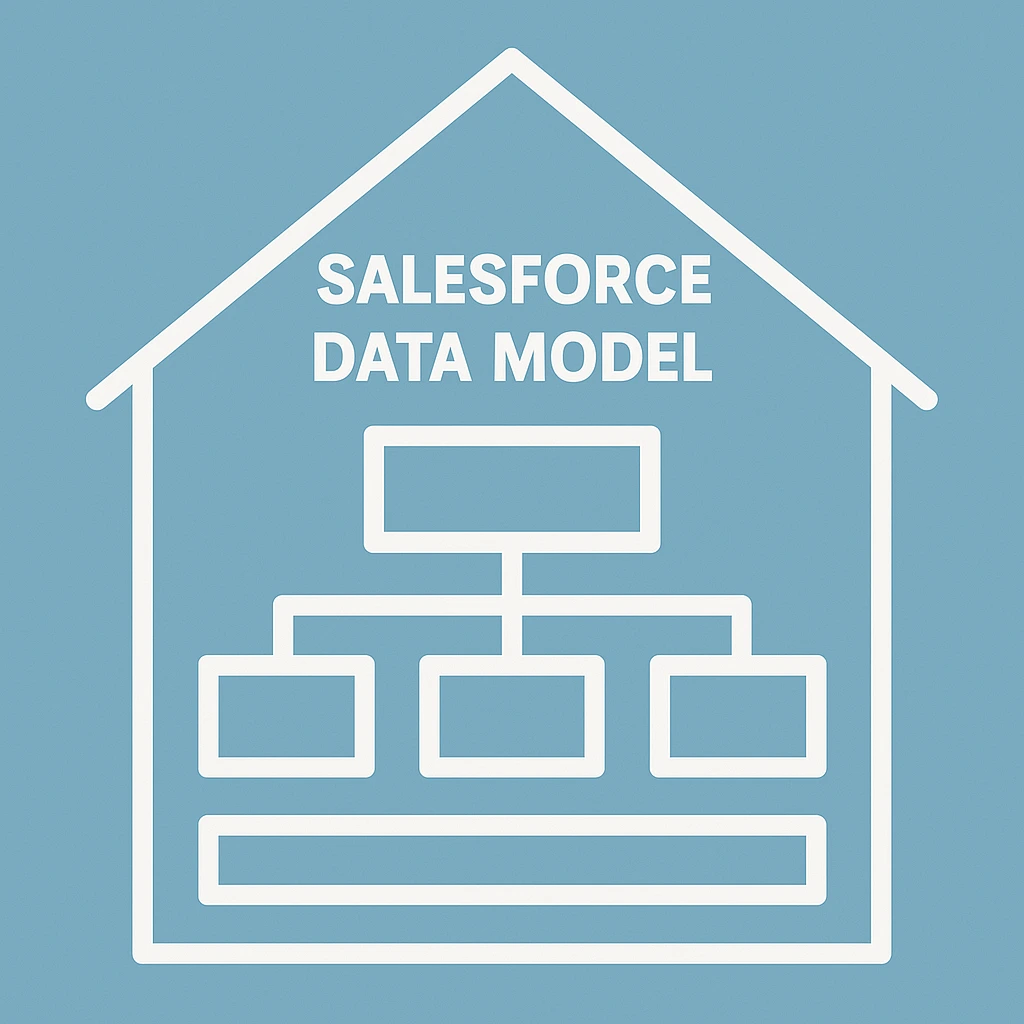
A 100% Salesforce-native customer feedback platform is built entirely on the platform using Lightning components, Apex, and standard or custom objects. Data goes directly into Salesforce objects and nowhere else, inheriting Salesforce’s full security model automatically — profiles, permission sets, sharing rules, field-level security, and every compliance certification Salesforce carries, including HIPAA, ISO, SOC, and GDPR.
Salesforce recognized the scale of integration-related risk and, starting in its Spring ’26 release, disabled the creation of new Connected Apps by default across all orgs. It is also actively pushing organizations to migrate to External Client Apps — a framework designed to be secure by default, with tighter controls and no legacy OAuth exposure. A 100% native app does not depend on that framework at all. There are no OAuth tokens to steal, no external API surface to target, and nothing outside Salesforce to breach.
Before choosing any survey or feedback tool, every Salesforce team should get clear answers to three questions: Does data go directly into the org, or touch an external server first? Does the app respect existing profiles, permission sets, and sharing rules without separate configuration? And what happens to that data when the relationship ends? If a vendor cannot answer clearly, that is a meaningful signal.
Read the full vendor evaluation framework on Salesforce Ben →
Architecture is the vendor decision most teams forget to make
The migration conversation started with a deadline — and both clocks are real. But the 2025 breach cycle showed clearly that the platform choice and the security question are the same decision. Every tool that connects to Salesforce through an external integration creates the same class of risk that led to 760 compromised Salesforce instances, 200 affected companies, and more than 70 lawsuits. Choosing a platform that keeps data entirely inside the Salesforce org is not a premium feature. It is the answer to both questions at once.
About SurveyVista
SurveyVista is the only 100% Salesforce-native Customer Intelligence and Action Platform that captures intelligence across every customer touchpoint, transforming fragmented feedback into unified intelligence to reduce churn, grow revenue, and improve productivity — inside Salesforce. Leveraging AI to embed insights directly into Salesforce workflows, SurveyVista drives automated actions that deliver measurable results.
More Like This



Rajesh Unadkat 
Founder and CEO
Rajesh is the visionary leader at the helm of SurveyVista. With a profound vision for the transformative potential of survey solutions, he founded the company in 2020. Rajesh's unwavering commitment to harnessing the power of data-driven insights has led to SurveyVista's rapid evolution as an industry leader.
Connect with Rajesh on LinkedIn to stay updated on the latest insights into the world of survey solutions for customer and employee experience management.