
share: 


Turn GTM Alignment From a Goal Into a System.
We have all sat in that meeting. The one where marketing presents a colorful deck showing brand sentiment is up, Product shows a roadmap based on user forums, Customer Success is showing how NPS is declining, and Sales is staring at a pipeline that isn’t converting.
Everyone is “aligned” on the goal—revenue—but no one is looking at the same map.
The uncomfortable truth is that GTM alignment breaks down without feedback in Salesforce. If your customer feedback lives in a siloed survey tool, a spreadsheet, a presentation or a tech dashboard that only three people read, you don’t have an alignment strategy. You have a reporting activity.
To fix this, we need to stop treating feedback as a “check-in” and start treating it as the architectural foundation of your Go-To-Market strategy. Here is how you turn GTM alignment from a vague corporate goal into an automated system.
The “Integration Tax” is Killing Your Alignment
Most organizations operate with “Swiss Cheese Intelligence.” Marketing uses a form solution; Sales does discovery in a CRM; Customer Success uses a survey tool; product has their own product tracking system. These fragments never form a complete picture. As noted in our 2026 Feedback foundations framework, “Insights without action is theater”.
When feedback is disconnected from your CRM:
- Sales can’t see that a “Closed-Won” opportunity had a terrible onboarding experience because the survey data is stuck in a CS tool.
- CS is blindsided by churn because “red flags” in support surveys didn’t trigger an alert in the Account Health Score.
- Leadership makes decisions based on dashboards that are weeks old, rather than real-time data.
This is the Integration Tax: the cost of lost revenue and misaligned teams caused by disparate tools that do not talk to your system of record.
Move From Dashboards to Automated Workflows
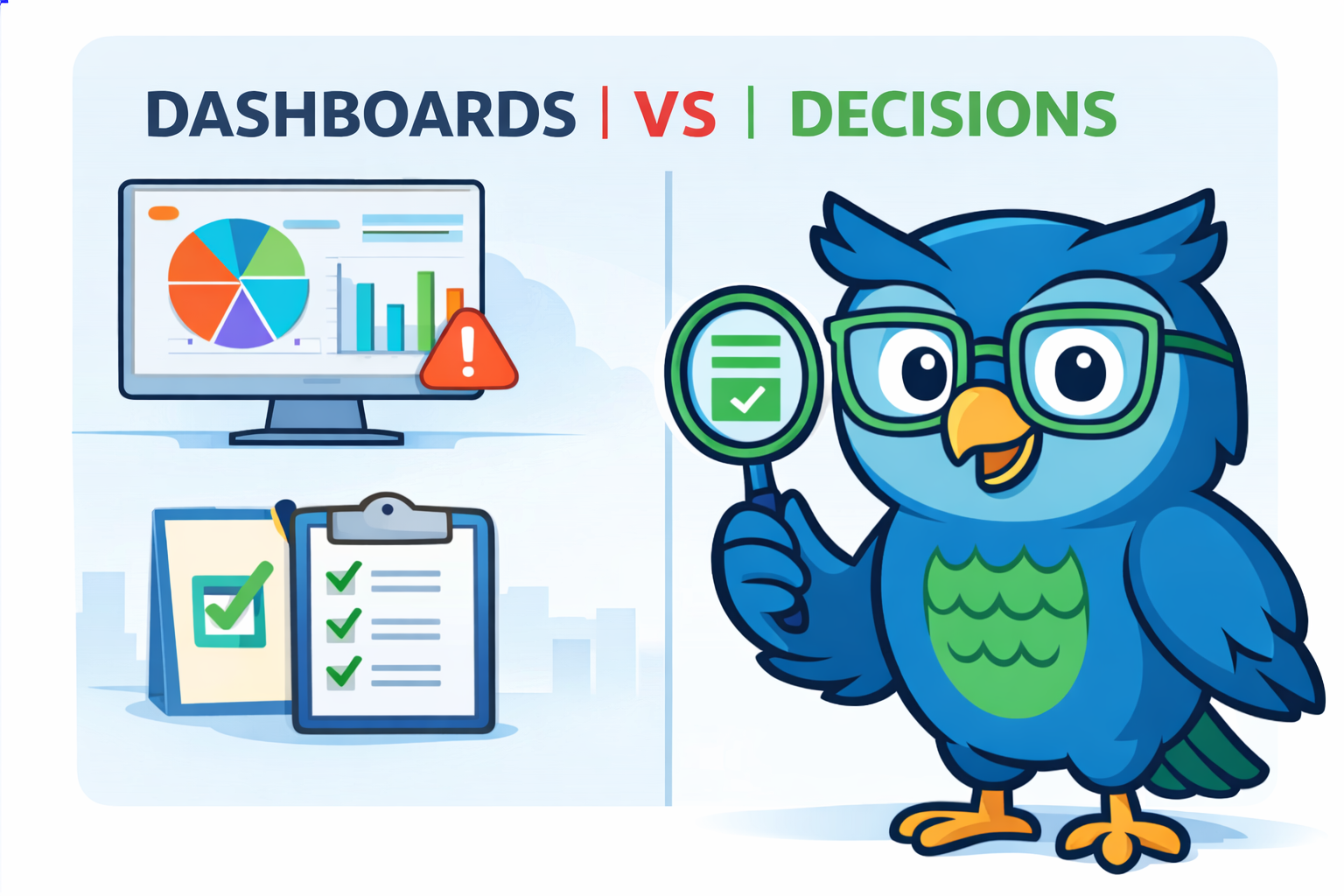
Dashboards are where data goes to die. They are retrospective. To align GTM, you need Feedback Foundations that trigger action. When you centralize feedback natively in Salesforce, you replace “reading reports” with “executing plays.”
- Don’t just measure NPS; trigger the save. If a key account drops a detractor score, Salesforce should instantly create a task for the Account Director, not just update a graph.
- Don’t just analyze Win/Loss; automate the pivot. If a “Loss” survey indicates pricing was the barrier, that data should feed directly into the Opportunity record, aggregating to show RevOps exactly how much pipeline is lost to pricing vs. features.
As the 2026 Feedback Foundations Guide states, a unified infrastructure eliminates silos, enabling faster revenue growth and better customer retention.
The System: 9 Touchpoints, One Source of Truth
Alignment isn’t a feeling; it’s a framework. To create a “Single Source of Truth,” you must map the 9 Essential Feedback Touchpoints directly to the customer lifecycle in Salesforce:
- Initial Lead Capture: Marketing gathers baseline context that Sales actually sees.
- Qualification: BANT/MEDDIC criteria that auto-scores leads in the CRM.
- Win/Loss Analysis: The brutal truth about why you win/lose, attached to the Opportunity.
- Onboarding Handoff: Ensuring the promises Sales made are visible to CS.
- Support Satisfaction: Closing the loop on tickets instantly.
- In-Product Intelligence: Contextual product usage & feedback data linked to the Contact record.
- Referral Requests: Automating the “ask” when sentiment is high.
- NPS/Health Scores: The pulse of the relationship, visible to everyone from the CEO to the SDR.
- Quarterly Business Reviews (QBRs): Strategic alignment on future goals, not just past performance.
Stop Renting Your Feedback
If your feedback data lives in a third-party tool, you are renting your own customer intelligence. You are waiting for a sync, paying for an integration, and hoping the data matches.
100% Native Salesforce is not an integration strategy; it’s an intelligence strategy.
By building your Feedback inside Salesforce, you ensure that every GTM function—Marketing, Sales, Product, and Success—operates off the same sheet of music. You move from reactive “damage control” to proactive revenue growth.
Are your feedback foundations strong enough to drive GTM success? Don’t let siloed feedback hold your business back. Take the Feedback Foundations Assessment or Download the Guide
More Like This



Rajesh Unadkat 
Founder and CEO
Rajesh is the visionary leader at the helm of SurveyVista. With a profound vision for the transformative potential of survey solutions, he founded the company in 2020. Rajesh's unwavering commitment to harnessing the power of data-driven insights has led to SurveyVista's rapid evolution as an industry leader.
Connect with Rajesh on LinkedIn to stay updated on the latest insights into the world of survey solutions for customer and employee experience management.